
Rosacea
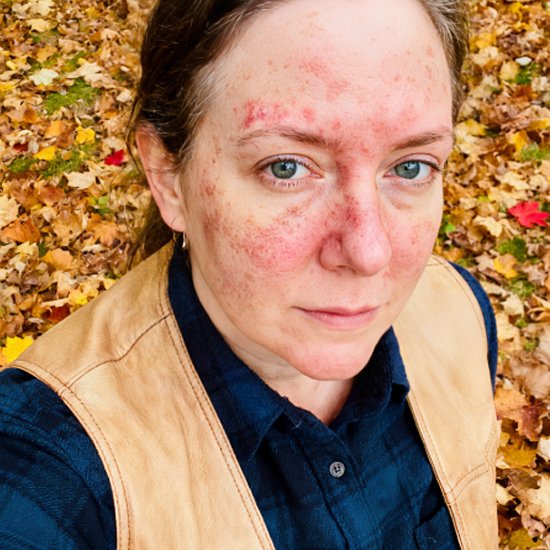
Rosacea usually starts on the nose and spreads in a classic “butterfly pattern” to the cheeks, forehead, and chin—common central facial regions. This typical spread often causes noticeable redness or uneven skin tone. The Dermapen KISFIR treatment targets these visible rosacea symptoms by addressing underlying causes, reducing their visibility. It also restores skin balance, promoting a more uniform, calm, and healthy complexion for those with rosacea.

Rosacea Treatment
Rosacea commonly manifests initially on the nasal area, gradually spreading in a characteristic “butterfly pattern” to involve the cheeks, forehead, and chin—regions that form the central facial zone. This distinct distribution is one of the key clinical features of the condition, often causing visible redness and uneven skin tone that impact patients’ cosmetic concerns.
The Dermapen KISFIR treatment is specifically designed to address these manifestations. By targeting the underlying factors contributing to rosacea-related redness and irregular pigmentation, it effectively reduces the visible appearance of such symptoms. Beyond symptom alleviation, the treatment further works to restore skin balance, ultimately promoting a more uniform, calm, and healthy-looking complexion that aligns with patients’ desired skin aesthetics.
Condition Overview: Rosacea
Rosacea is a prevalent inflammatory skin disorder defined by persistent facial redness, recurrent flushing, and inflammatory lesions (e.g., papules or pustules), predominantly affecting the central facial region. While a definitive cure remains unavailable, its symptoms—often overlapping across distinct subtypes—can be effectively controlled with targeted interventions, such as the needling pen for select cases.
The four clinically recognized subtypes include:
Erythematotelangiectatic Rosacea: Persistent redness, frequent flushing, and visible cutaneous blood vessels (telangiectasia).
Papulopustular Rosacea: Facial redness accompanied by the presence of inflammatory papules and pustules, mimicking acne in appearance.
Phymatous Rosacea: Progressive skin thickening and abnormal textural changes, most commonly occurring on the nose (rhinophyma).
Ocular Rosacea: Ocular manifestations such as ocular redness, excessive tearing, and ocular irritation (e.g., burning or gritty sensation).
Successful rosacea management starts with accurate subtype identification, as this directly guides the selection of tailored treatment strategies—including whether a needling pen is suitable—to address specific symptoms.

Symptoms & Management of Rosacea
Key Symptoms: Rosacea presents in various forms, including persistent redness, visible blood vessels, inflammatory papules/pustules, and skin thickening.
Common Triggers: Exact cause is unknown, but triggers often include spicy foods, hot drinks, red wine, stress, temperature fluctuations, and exercise.
Although incurable, rosacea symptoms can be effectively managed—with options like the needling pen (e.g., Dermapen treatment) working via two core mechanisms:
Normalizes blood vessel formation (angiogenesis) to directly reduce facial redness;
Stimulates release of growth factors that strengthen the skin’s dermis and epidermis, enhancing skin density and resilience.
This dual action results in a more balanced, less reactive complexion, with visibly diminished rosacea-related redness.